
HOW TO HELP BIRDS:
When it comes to helping birds and the natural world, it can sometimes be hard to know where exactly to begin.
But the truth is: Every action, however small, has a ripple in the pond to help birds, nature, and beyond.
In this guide, we’ll review some great ways to help birds near you—from ensuring windows are bird friendly and going Lights Out during bird migration, to planting native plants for birds and much more.
The goal? To create a community where birds and people can thrive.
Let’s begin!
Make Your Windows & Buildings Bird-Friendly
Did you know as many as a billion birds are killed by window strikes in the United States alone? Unfortunately, this does not include the millions who are stunned or injured after collisions.
Window collisions are a prevalent issue, and one that’s only heightened during migration seasons between Aug. 15 through Nov. 15, and April 15 through May 31, when billions of birds fly to their respective destinations.
By relying on a combination of innate biological and geological factors—from the night sky, to Earth’s magnetism—they’re able to know where to go on their migration journeys.
However, different factors such as bright lights and large, reflective windows can disorient birds—causing confusion and often leading to window collisions.
How can I help?
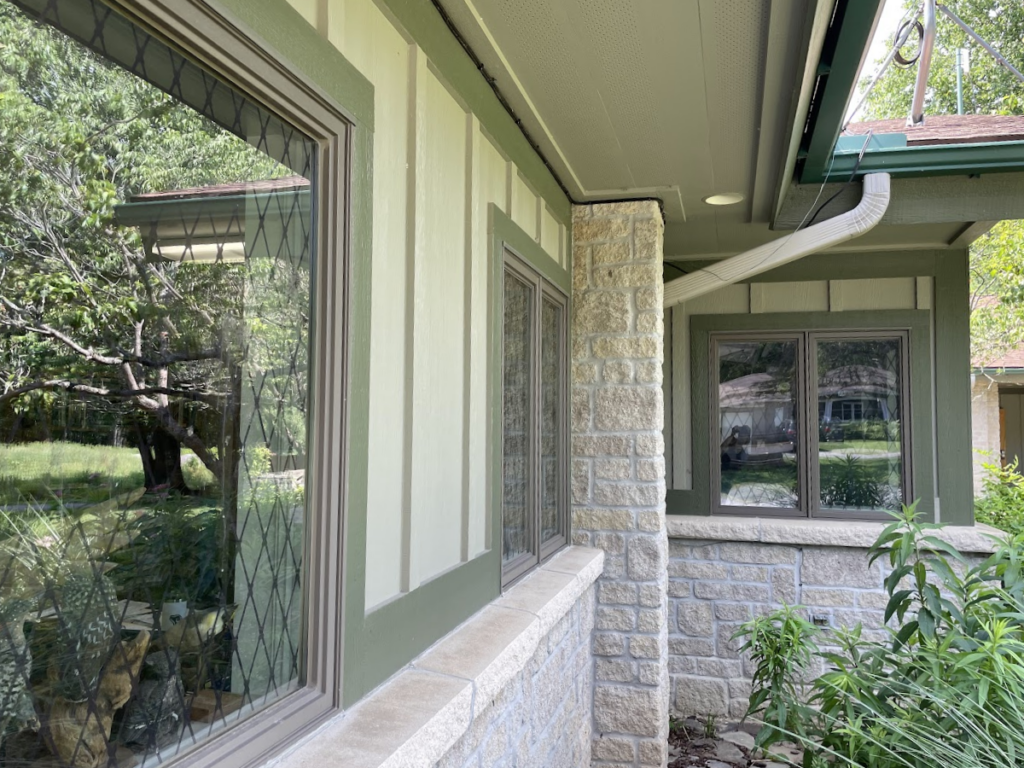
- Add decals or screens to large glass windows. There are many simple, easy, cost-effective options available (including window clings, films, and custom paracord curtains) to retroactively make the windows in your home or business safer for birds. This solution helps to break up large, expansive panes of glass, which birds can mistake for open sky—(See how that works here)—and minimize collisions.
- Move indoor plants away from glass. When birds see plants, they see a safe place to land. Moving plants elsewhere helps reduce collision risk.
- Go Lights Out, especially during migration seasons. Minimizing non-essential lights after 11 p.m.—especially during migration periods—significantly helps birds have safe passage. (More on this below.)
- Advocate for bird-safe design in your community. Whether by attending local forums and events, participating in bird-centric educational programs, or making your voice heard to political leaders near you, there are numerous ways to get involved in local efforts championing bird safety in your community.
Go Lights Out for Birds—Especially During Migration
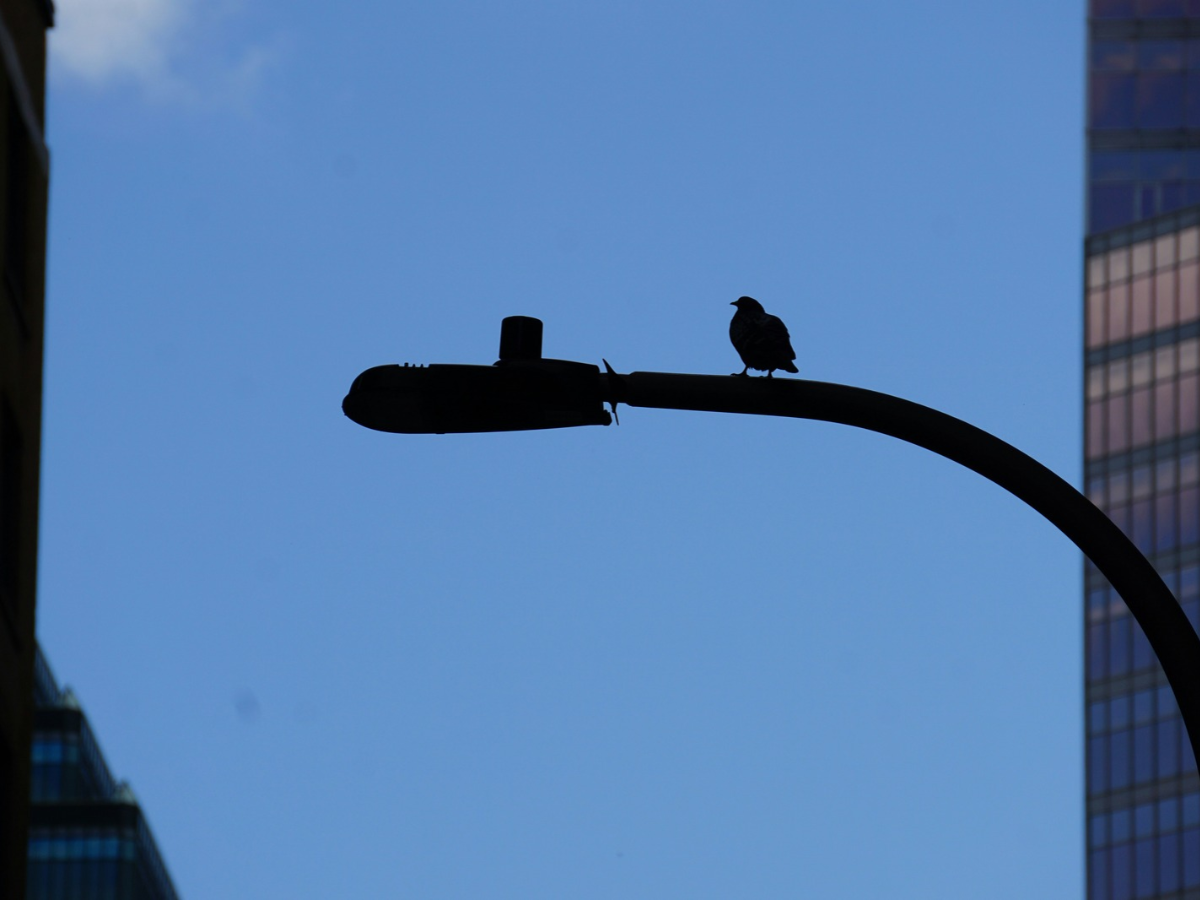
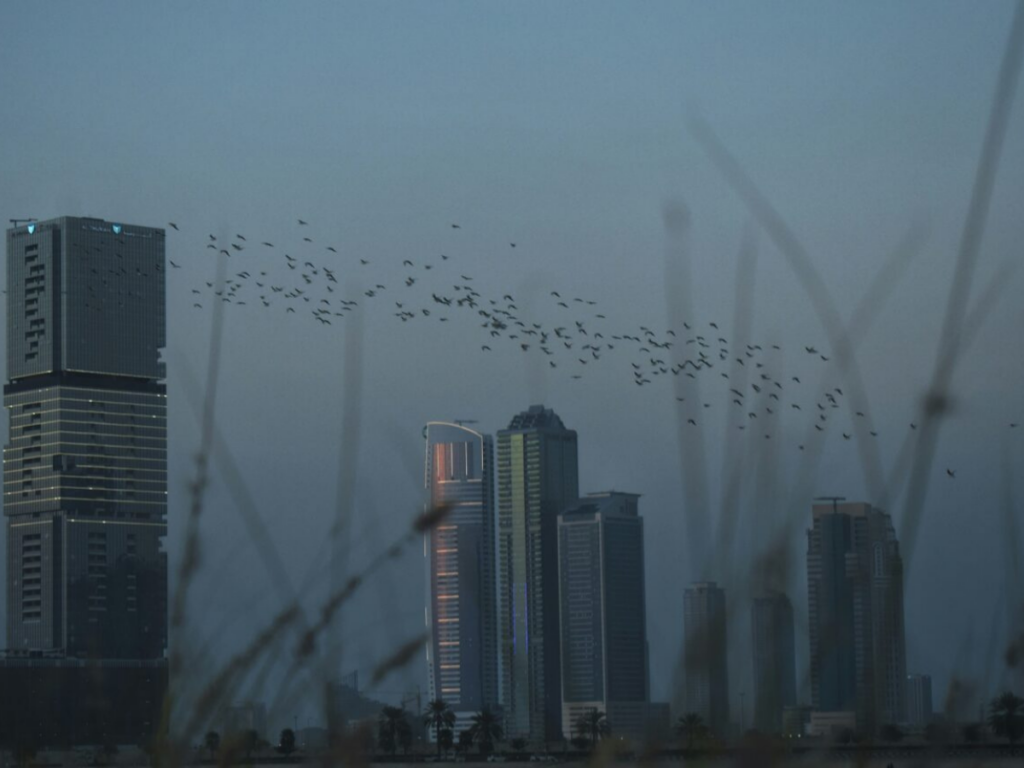
During peak migration seasons, as many as 400 million birds can fly over the United States in a single night. In fact, of all the birds that migrate—70% of them, in North American—they do so at night 80% of the time.
For birds, migrating at night is an ingrained biological instinct, and they rely on the stars and a clear, unobstructed night sky to make their journeys safely.
However, light pollution and reflective windows can disorient them, resulting in window collisions. And while window collisions can result in as many as a billion fatalities in birds each year, it is often the case that birds waste precious energy flying around and calling out in confusion—making them more vulnerable to predators and other threats.
How can I help?
Go Lights Out for birds!
Turn off non-essential lighting in your home or business after 11 p.m., especially during migrations. While a simple action, doing so can reduce bird population density in a given area within minutes, as was seen in the case of the 9/11 memorial in New York City.
Every small action matters, and going Lights Out is one of the simplest, most effective ways to help birds migrate safely.
Here are a few more ways you can contribute to Lights Out:
- Use motion sensors or dimmers.
- Pull down shades & window coverings.
- Minimize flood lights.
- Swap bright bulbs for warmer ones, which are less likely to trigger behavioral responses in birds
Interested in learning more? read our article:
Lights Out for Birds: How Going Lights Out Helps Birds
download the free guide!
Interested in making your home safer for birds? Download our best practices to help make your home or business a place where birds can thrive.
Native Plants for Birds: Create a Bird-Friendly Yard
From milkweed to purple coneflower, thousands of native plants that exist in Western New York alone.
What exactly are native plants?
Native plants are species that have co-evolved with birds, making them conducive to nature’s overall balance by sustaining pollinators, insects, and ultimately, birds.
Here are some examples of bird-friendly native plants in Western New York:
- Skunk Cabbage
- Trillium Flower
- Cardinal Flower
- Elderberry Flower
- Dogwood Trees
You can also look up native plants near you with National Audubon’s native plant look-up tool, among others.
How can I help?
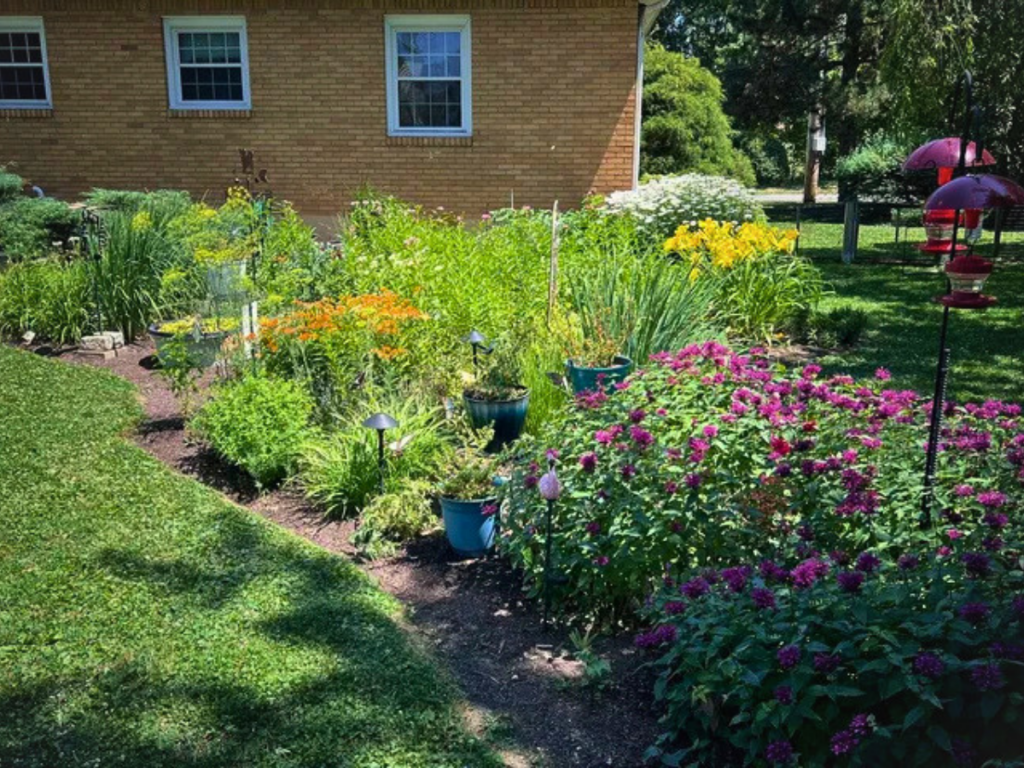
Grow plants that are native to your area. Ultimately, small habitats make big differences, and bird-friendly yards help to provide shelter, clean food, and water for birds. Here are a few tips to consider to make your yard bird friendly:
- Plant native and control invasive species, which can monopolize food, space, and sunlight.
- Limit pesticide use, which kills insects—a primary food source for birds.
- Provide clean bird food, water, and shelter. Native plants and shrubbery can double as great nesting sites for birds.
Interested in learning more? read our article:
Small Habitats Make Big Differences: How to Create a Bird-Friendly Yard
Minimize Rodenticides to Protect Birds of Prey
In a 2020 study from Tufts Wildlife Clinic at Cummings School of Veterinary Medicine, 100% of red-tail hawks admitted to the clinic tested positive for exposure to rodenticides.
How is this possible?
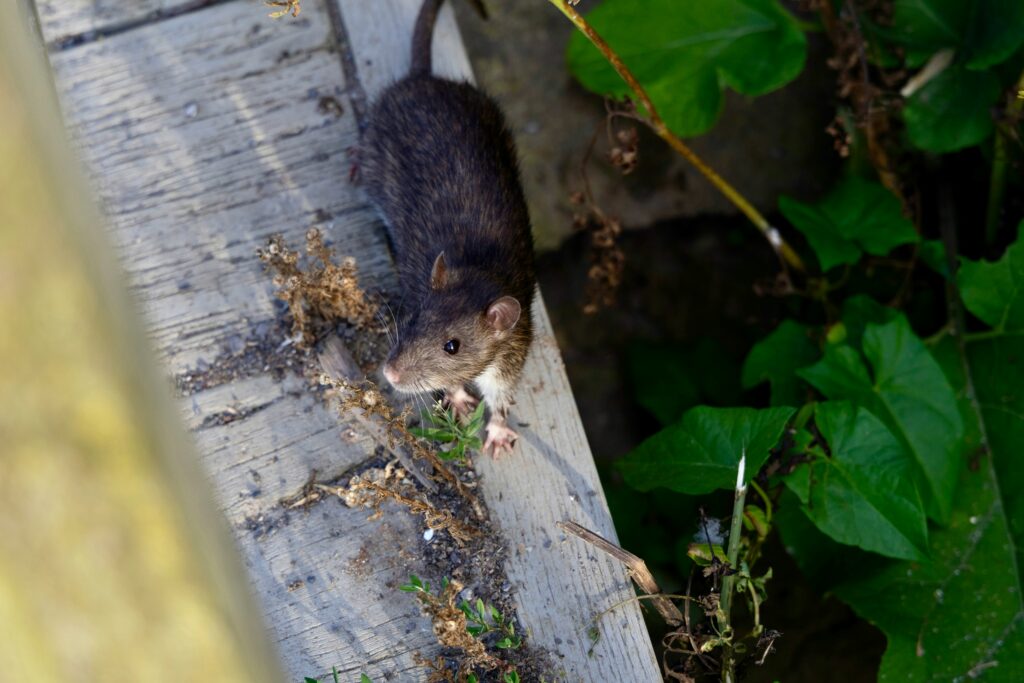
Rodenticide (or, rat poison) unfortunately impacts more than just rats.
When a raptor finds a poisoned rat and brings it back to their nest to feed their young, their nestlings unknowingly ingest fatal toxins.
Also, rats will often return to bait boxes numerous times before they eventually die—creating an even more dangerous dose of poison for the owl, hawk, eagle, or other bird of prey that later finds and eats them, according to Bird-Friendly Buffalo’s resource on the subject: “Skip the Rodent Poison: Rodenticide & Its Impact on Birds.”
These risks are especially heightened during nesting season (in January for Great-Horned Owls and April for Red-Tailed Hawks), as parents will work around the clock to bring in food, and often travel farther when they need more—increasing their chances of encountering rodenticide, continues Bird-Friendly Buffalo.
So, what do we do?
How can I help?
Consider alternatives to rodenticide, such as:
- Use snap traps instead of poison.
- Seal entry points in your home.
- Keep food stored safely to avoid attracting rodents.
These options help minimize poisons in the food chain—not only protecting apex predators such as falcons and eagles, but helping to keep the whole ecosystem in balance.
Interested in learning more? read our article:
Skip the Rodent Poison: Rodenticide & Its Impact on Birds
Solutions for Indoor Cats
Cats? How do cats fit in?
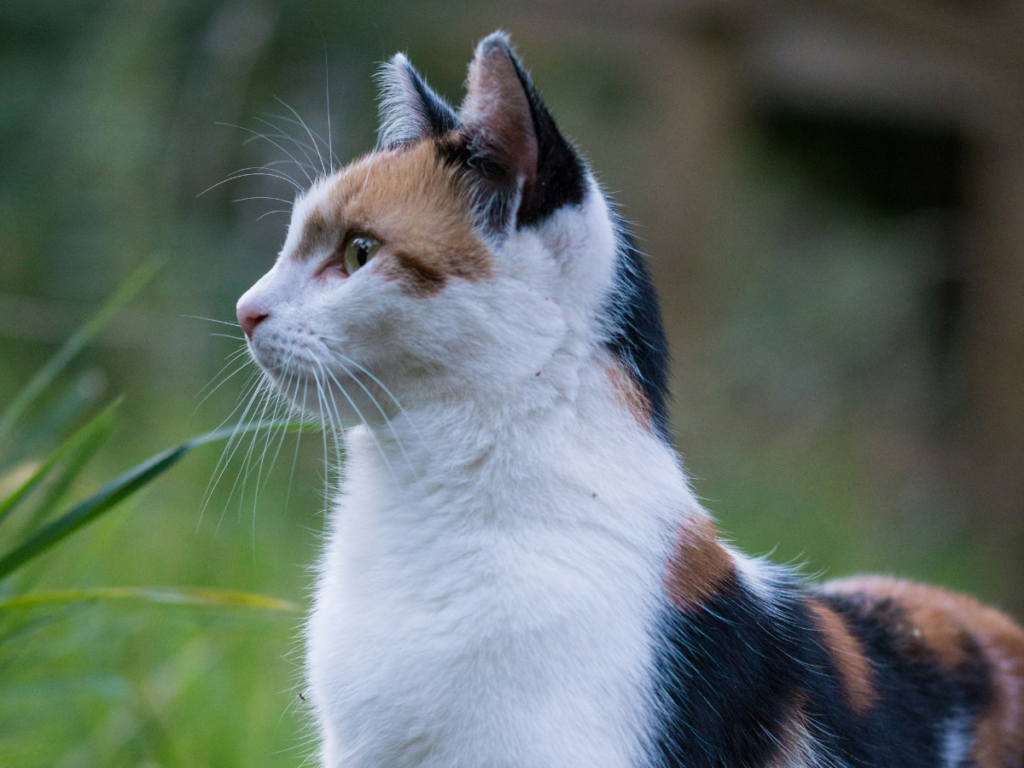
There’s no question: Cats are lovable companions, but they are also ingrained, efficient hunters—but when allowed to roam freely outdoors, they can have adverse impacts on wildlife, and namely, birds.
Unfortunately, free-roaming and feral cats are the leading human-related cause of bird deaths across the globe, with 2.4 billion birds killed yearly by outdoor cats in the United States and Canada. In fact, the casualties from window collisions, rodenticide, and other causes do not come close to the mortality rate attributed to cats.
However, this figure is a preventable one, and monitoring cats and keeping them safely not only helps birds, but cats, also.
How can I help?
Here are 6 simple solutions for indoor cats to help birds:
- Get a catio, or a “cat patio.” These enclosures often filled with climbing structures and other enrichment activities, enabling owners to keep an eye on cats nearby.
- Consider converting your fence to enable your cat to stretch their legs and roam freely without impacting birds and surrounding wildlife.
- Prioritize indoor enrichment activities that help stimulate their bodies and brain—from walking wheels to elevated perches.
- Ensure bird feeders are raised high enough to prevent cats from accessing food, and enable birds to feed safely.
- Leash up cats for a walk, as you would a dog, and bring them around the neighborhood for some exercise.
- Contact your local animal shelter to help re-home stray, free-roaming cats in your neighborhood.
Interested in learning more? read our article:
Birds & Cats: Solutions for Indoor Cats to Help Birds
Get Involved in Your Community
No matter where you live, there are numerous options to get involved in learning more about ways to help birds near you.
One such opportunity is in the Bird-Friendly Buffalo movement, created by Buffalo Audubon to share knowledge and helpful resources to help communities become more bird-friendly.
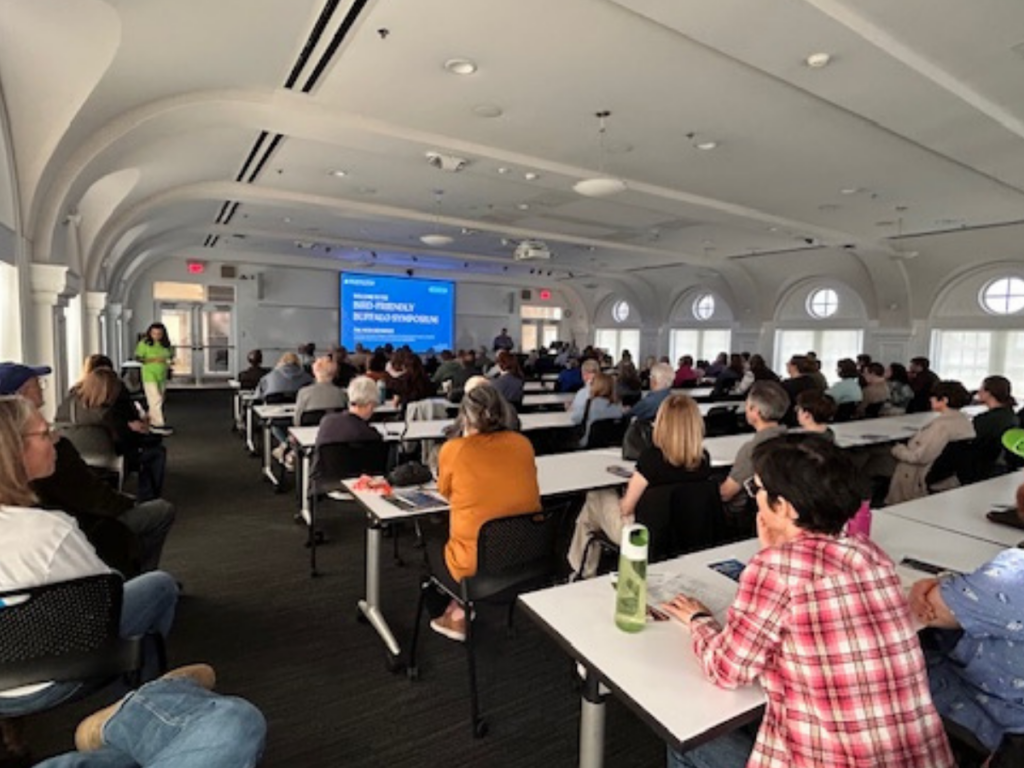
While we’re based in Buffalo, everything we do has this goal in mind—from our bird-friendly programming to our annual expert-led symposium. It all exists to help communities learn more about what we can do to help birds thrive.
Are you local to Buffalo, New York? Consider booking a Bird-Friendly Buffalo program with us! Together, we’ll work with your business or community group on easy ways to help birds near you. Plus, make sure to join us each spring at our Bird-Friendly Buffalo Symposium event, where we bring together a consortium of experts on tangible tips and best practices for helping birds.
Not from the area? No problem! Feel free to peruse our range of resources on this page and on the Bird-Friendly Buffalo website and learn more about easy ways to help birds. Plus, you can also tune in to our annual Bird-Friendly Buffalo symposium online each spring.
Whether you’re near or far, homeowner or a business owner, an individual or part of a community group, each small action has the potential to have a ripple in the pond to help birds and the natural world.
Get involved in learning about birds in your community with us!
Interested in learning more? read our article:
What Is Bird-Friendly Buffalo? Our Effort to Protect Birds in WNY
Interested in making your home or business
more bird-friendly?
Schedule a program with one of our experts!
Together, we’ll explore tangible ways to make your home, business, or community safer for birds.
If you’d like to learn more about how to make your community safer for birds, visit the Buffalo Audubon and Bird-Friendly Buffalo websites and join our community! Stay updated on upcoming Bird-Friendly Buffalo programs and events, related reading, our social media pages, and so much more!
You can also take the Bird-Friendly Buffalo pledge to support Buffalo becoming a bird-friendly city, or schedule a program with a Buffalo Audubon expert to learn more about tangible solutions for making your business or community safer for birds.
Buffalo Audubon leads and inspires Western New Yorkers to connect with and protect the natural world through bird-focused activities, advocacy, and habitat restoration. Our organization launched the Bird-Friendly Buffalo movement in 2025, to help raise awareness and guide communities with practical solutions to build a bird-friendly city.