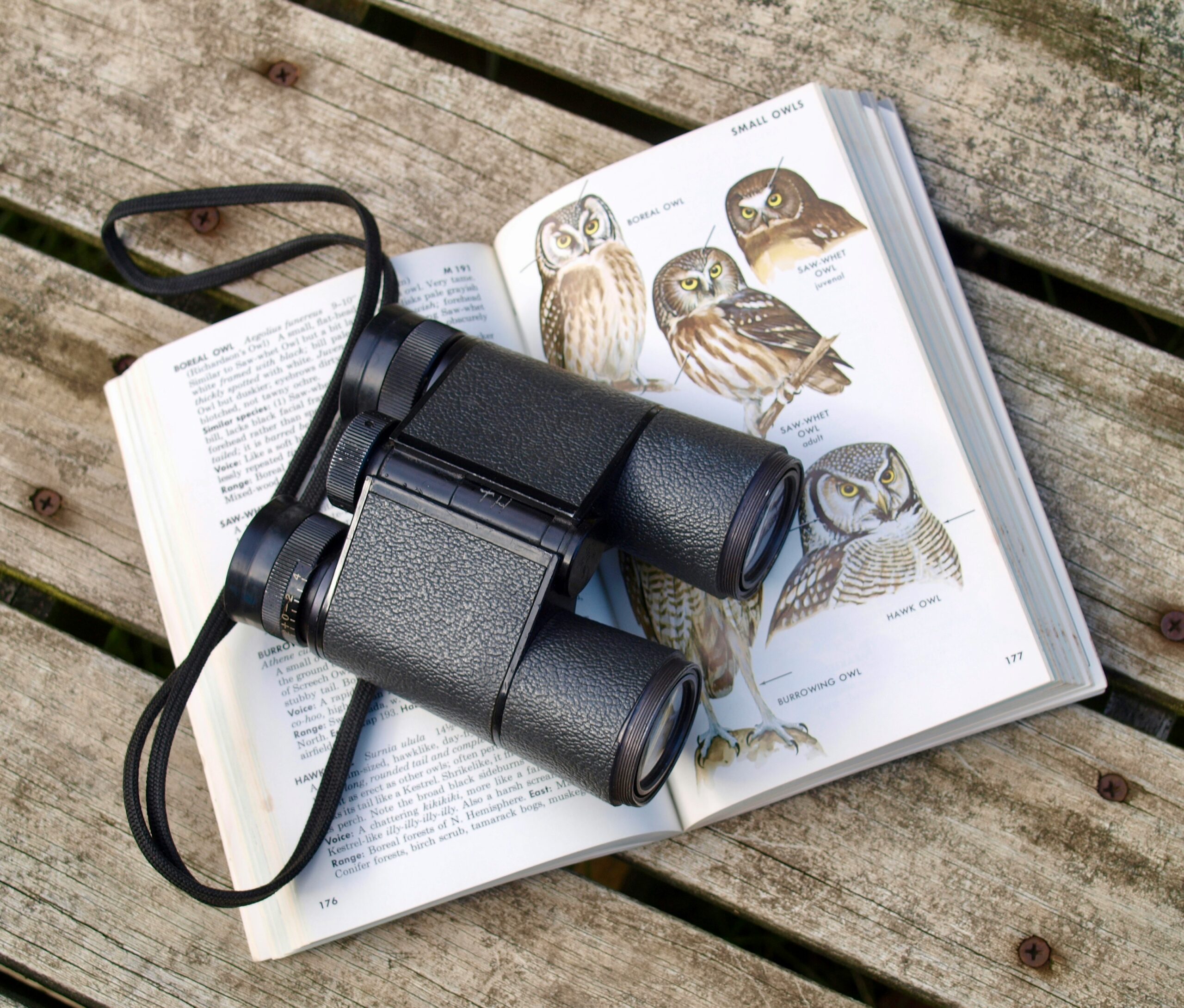
Birdwatching is a calming, engaging activity—and one that’s only grown in popularity in recent years.
In fact, as many as 98 million Americans (three out of 10 people) report they’re actively engaged in birding—amounting to a bit over a third of the country’s population!
Largely, the rise in this pastime has been linked to a combination of factors in the last few years—from the accessibility of citizen science apps such as eBird and Merlin, to an overall desire for new hobbies, community, and well-being.
Yet as birding continues to grow and evolve, there are some things that stay the same: namely, the importance of creating a positive birdwatching experience for people and birds, alike.
By prioritizing a few useful tips—such as observing from a distance, leaving no trace, and photographing responsibly, among other best practices—we can enjoy birding in a way that’s conducive to birds and their environments.
Here are 9 birdwatching do’s and don’ts we would recommend considering on your next trip.
Birding Do’s
1. Observe wildlife from a distance.
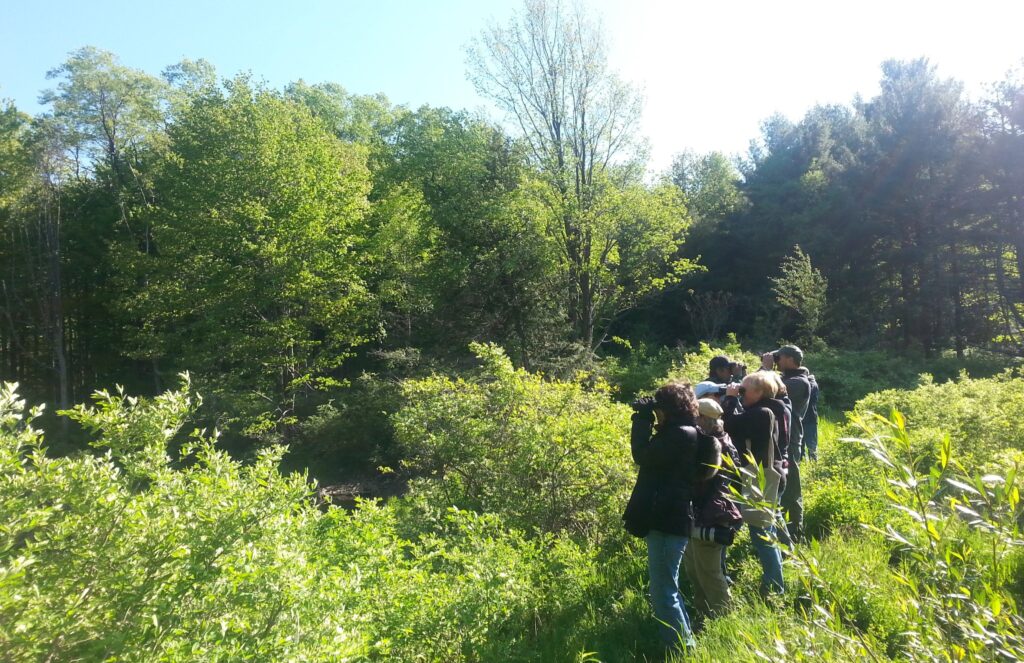
One of the best ways to enjoy birdwatching while ensuring the safety of wildlife is to observe them from a distance.
A good rule of thumb is to stay between 15 and 25 feet away from wildlife as you’re birding. Be on the lookout for if a bird stops feeding, appears anxious, or moves away; these are also sure signs a hiker has gotten too near to them, reads an explainer from Birdwatching Weekly. Plus, as some birds nest on the ground or in shrubs, it can often be the case that birders might not see them until we’ve come too close.
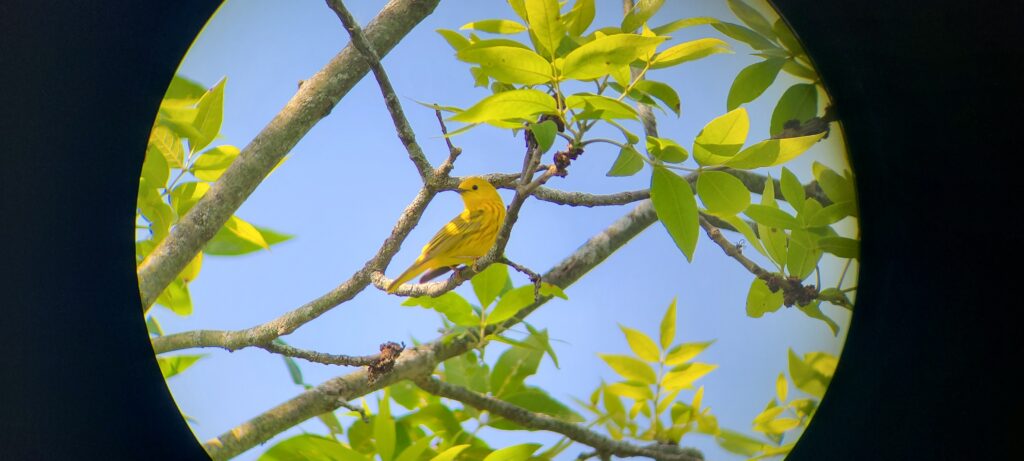
Tip: Consider using binoculars or spotting scopes, which affords a closer view without disturbing wildlife.
2. Leave no trace.
As with hiking, birdwatching should be a pack-in, pack-out activity. Leaving human food off the trails, ensuring pets are leashed, leaving what you find, and disposing of waste, among other best practices, help ensure habitats remain undisturbed and better protected.
3. Photograph responsibly.
One of the biggest draws to birding is appreciating the colorful plumage, which many do through photography.
When photographing, consider using a long lens to capture images, which enables you to capture more detailed photos from a farther range, and minimizes the need to get too close and potentially disrupt birds, continues the Birdwatching Weekly explainer.
Tip: Be mindful of whether you notice a bird stop what they are doing or appear nervous, as these are signs you might a bit too close.
Also, flash-less photos are the best photos, in this case. Bright lights can startle or disorient birds, or even prompt them to flee their nesting sites. Avoid flash and instead, consider using natural light to your advantage.
4. Keep pets on a leash.
Keeping dogs on a leash and cats indoors (or, on catios!) are two simple ways to minimize impacts to birds when birding.
Unfortunately, free-roaming cats are the leading human-related cause of bird deaths, at 2.4 billion birds annually in the United States, according to an analysis from the American Bird Conservancy. Additionally, dogs can trample nests, disturb fledglings, break eggs, as well as startle birds into leaving their young.
As a solution, leashing dogs and bringing free-roaming cats indoors or into cat patios can be incredibly helpful to birds—enabling our pets to get their exercise while protecting nearby birds.
5. Use citizen science apps.
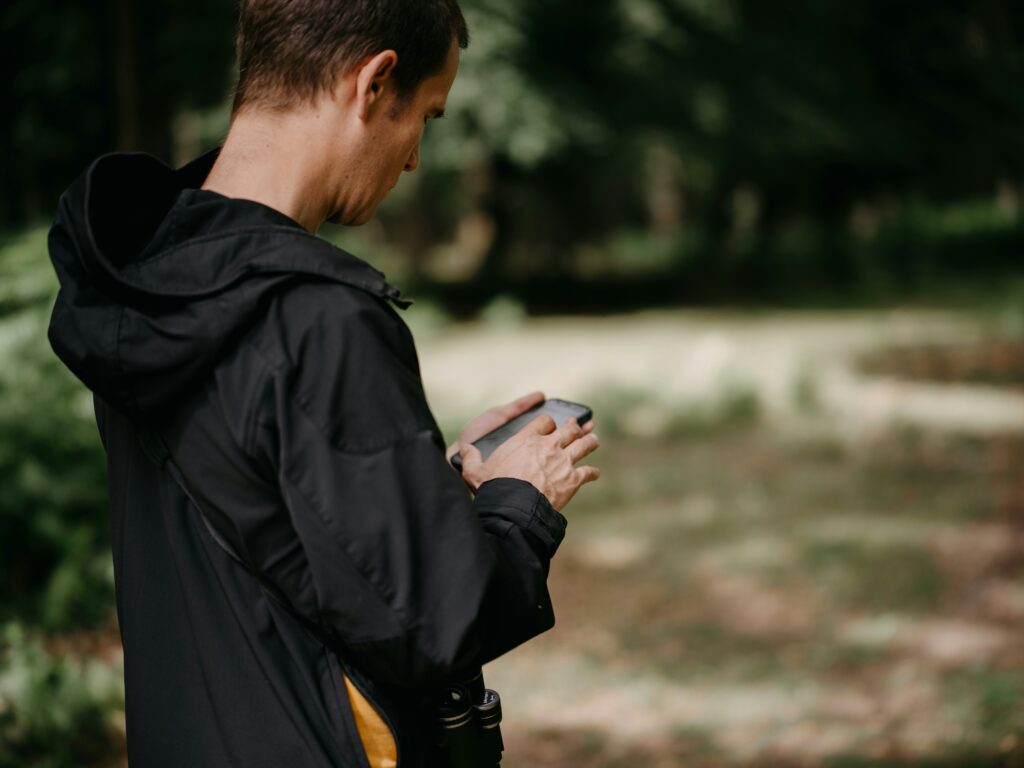
Popular birding apps such as Merlin and eBird help connect birding communities, easily identify birds in a few clicks, and contribute to citizen science by providing real-time population data.
On your next birding hike, consider using these tools to identify and log the birds you notice, respectively. In doing so, you’re not only alerting other birders to what’s nearby, but helping scientists to track real-time population data, evaluate trends, analyze migratory patterns, and inform conservation strategies.
Tip: See a rare bird or endangered species? While it’s always exciting to get a “Life Bird”—a bird you’ve never seen before—added to your list, report about these kinds of birds with care, as drawing too much attention to these birds can disturb them, especially when nesting, continues the Birdwatching Weekly explainer.
Birding Don’ts
1. Avoid using too many recorded calls or pishing techniques.
At times, birders might play use certain techniques to draw small or shy birds.
For example, a technique known as “pishing” involves making a sound such as “pish pish pish,” which mimics bird alarm or distress signals—prompting nearby birds to become stressed and investigate. Birders may also play recorded bird calls to simulate other birds nearby.
If using either of these techniques, it’s a good idea to do so with care, as too much use can throw birds from their routines and induce stress. Intentionally using these techniques enables birders to have positive sightings that prioritize birds’ natural rhythms.
2. Don’t get too close to nesting birds.
If you notice a nest on the trail, it’s always a good idea to leave it be. These fragile areas are essential places for birds to raise their young, and too much noise and activity can prompt them to flee.
3. Don’t feed birds human food.
While some places offer Cheerios or similar snacks to feed nearby birds, it’s better to leave the human food to the humans.
Along with potentially transmitting diseases, introducing such foods can disrupt the natural order of the local ecosystem—influencing the food chain and potentially leading to species imbalance.
4. Don’t take feathers or eggs home with you.
While it’s exciting to find a feather or egg on a hike, the rule of “leave no trace” applies in this case, too: If you see one of these things, more often than not, you should let it be.

The Migratory Bird Treaty Act (MBTA) prohibits possession of certain feathers, such as those of migratory birds, waterfowl, endangered species, non-native species, and domesticated birds to prevent potential population decline and commercial exploitation. To boot, the MBTA also protects other bird parts, as well as their nests and eggs.
But aside from this legislation, it’s also worth noting that it’s best practice to leave behind any eggs you find on the trail for their own survival. While it is a myth that touching a bird’s nest or eggs will cause the mother to abandon it, it’s still a good idea to leave eggs alone, if you see them, to minimize the oil transfer from human hands as well as any physical damage that can happen to the egg from the slightest touch.
A Positive Experience for People and Birds, Alike
Birding continues to be growing and evolving pastime that brings communities of enthusiastic birders together over a shared joy of nature.
By considering these tips, we can help create positive experiences for birders and birds, alike.
Interested in learning more about birding? Join Buffalo Audubon’s weekly Friday morning birding programs at Beaver Meadow Nature Preserve! Visit our website to stay updated on upcoming programs and events, discounts and other perks that come with a Buffalo Audubon membership, and so much more.
Buffalo Audubon leads and inspires Western New Yorkers to connect with and protect the natural world through bird-focused activities, advocacy, and habitat restoration. In May 2025, the organization launched the Bird-Friendly Buffalo movement to help raise awareness and guide communities with practical solutions to build a city where birds can thrive.
Leave a Reply