
The Niagara River is one of the most famous and most important landmarks in all of Western New York. People come from all over the world to visit Niagara Falls, but as tourist season ends and the parks along the Niagara River grow quiet, another group of travelers land for a visit: gulls.
Known as the “gull capital of the world,” the Niagara River is a crucial area for migrating gulls, with well over 100,000 gulls found there during winter months—taking advantage of its open water and abundant resources. Here’s a quick guide to the various gulls you might see along the Niagara River corridor this season, and where specifically to find them in the area.
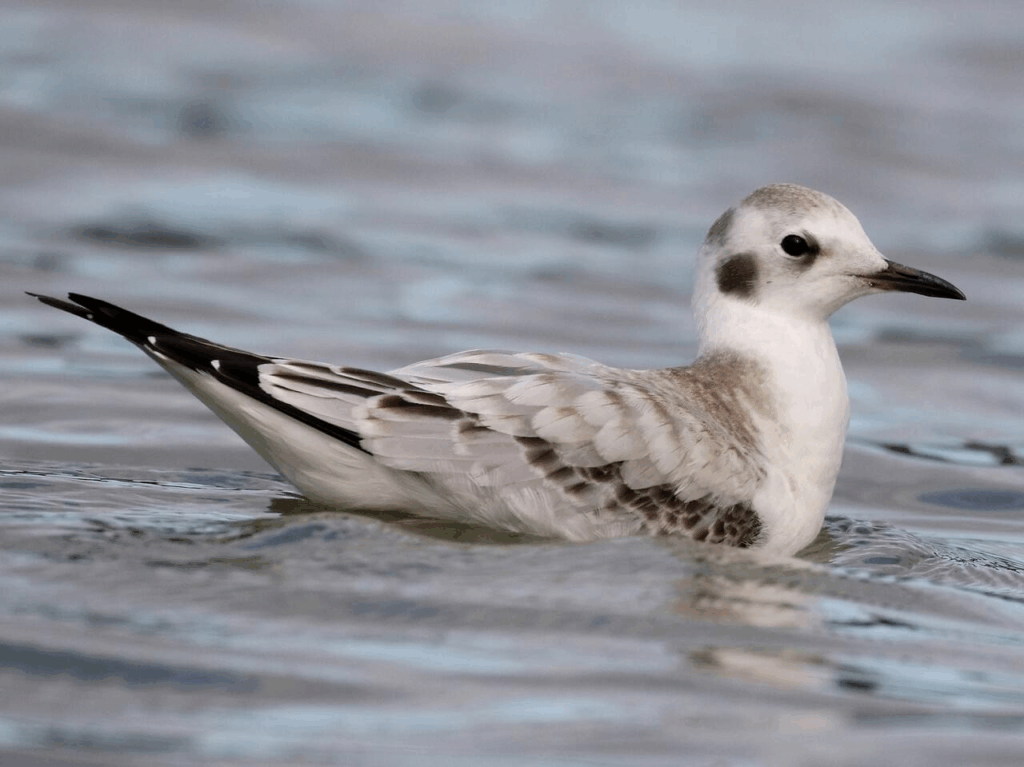
The Bonaparte’s Gull: One of America’s Smallest Gulls
You can’t visit the Falls in winter without encountering the Bonaparte’s Gull.
Roughly 25% of the global population of Bonaparte’s Gulls passes through the Niagara River corridor as they migrate south. With one in four Bonaparte’s Gulls relying on 35 miles of river to survive the winter, this habitat is undoubtedly a significant one.
But these small gulls aren’t the kind you see waiting for a dropped French fry in a parking lot. Named after Napoleon’s zoologist cousin, Bonaparte’s Gulls feed on small fish that they pluck from the water near the surface. Sometimes, they gather for a feeding frenzy when food is found, loudly calling for the rest of their flock to join in.
Where to find them: The best places to find flocks of Bonaparte’s Gulls are near fast moving water off of Unity Island in Buffalo and in the Niagara River Gorge.
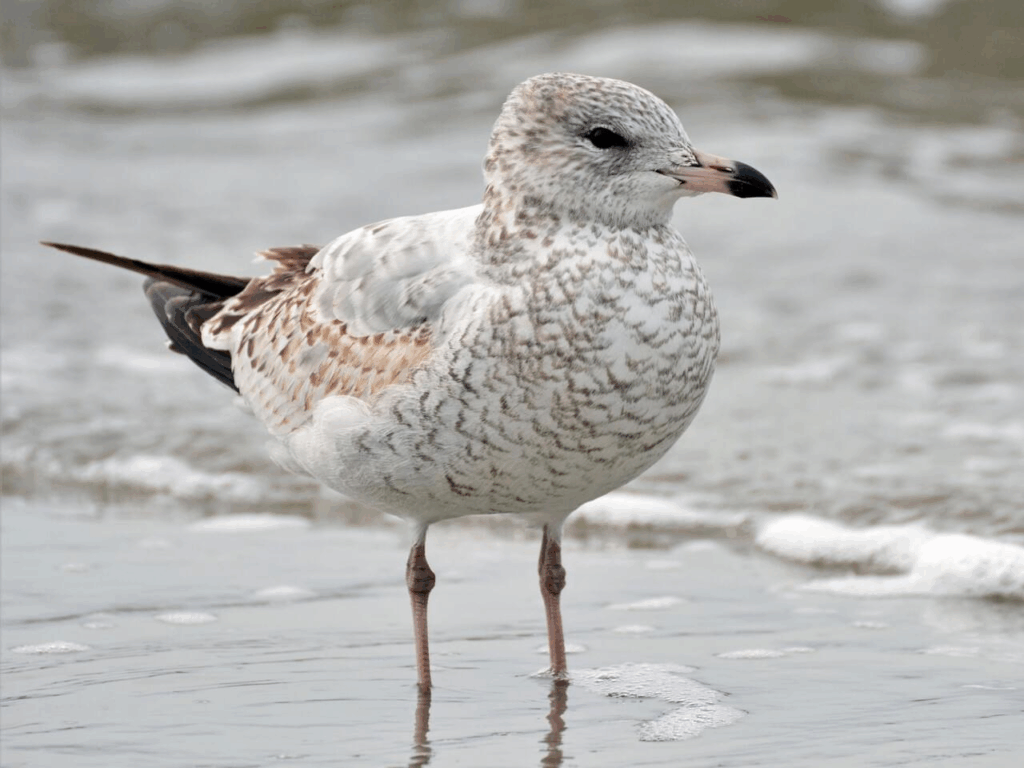
Large Gulls on the Niagara River
Thousands of larger gulls—such as Ring-billed Gulls, Herring Gulls, and Lesser Black-backed Gulls—also depend on the Niagara River for their winter habitat. The area’s largest gull, the Great Black-backed Gull, can also be seen among these larger gulls.
Herring Gulls and Great Black-backed Gulls get a majority of their food by scavenging or stealing it from smaller gulls—so you will not see any Bonaparte’s Gulls hanging around flocks of large gulls. In fact, you can almost visualize the imaginary line where the Bonaparte’s gulls stop and turn around as they get too close to their larger cousins.
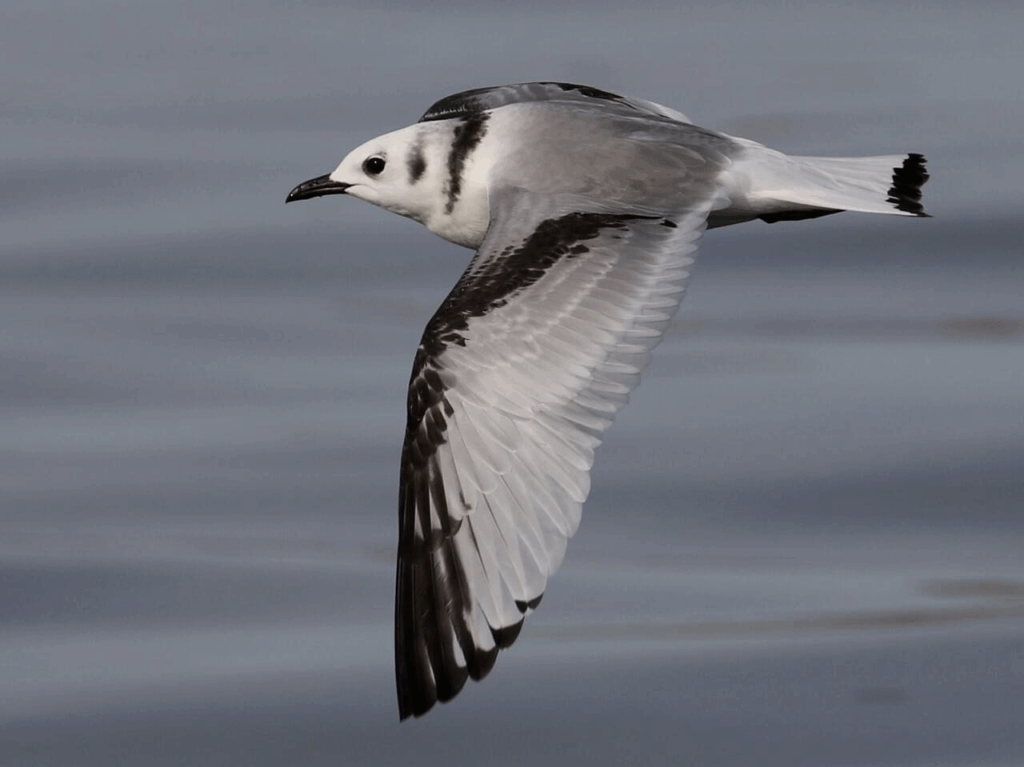
Rare Bird Alert! Uncommon Gulls Along the Niagara River
Occasionally, other small gulls, like Franklin’s Gulls, Black-headed Gulls, and Black-legged Kittiwakes will get lost on their migration and end up with a flock of Bonaparte’s Gulls. Only a handful of these gulls are seen each year.
Similarly, rarities can also be found within flocks of Herring Gulls and Ring-billed Gulls. Iceland, Glaucous, California, and Slaty-backed Gulls can also find their way into the flocks of the more common gulls.
Where to find them: The best spots to watch large gulls are on the rocks in the rapids above Niagara Falls and below the Robert Moses Dam. The observation deck at the NYPA Power Vista is open year-round and provides a great view of the feeding gulls below.
The Niagara River: The ‘Gull Capital of the World’
The Niagara River region, without a doubt, continues to play a pivotal role for migrating gulls—with 19 species of gulls reported in the area, to date.
While gulls might not be the most glamorous family of birds, their ability to survive long migrations and harsh conditions has to be admired.
The Niagara River is one of the best places in the world to watch these underappreciated birds, so take advantage of one of the great things the region has to offer and see how many different gulls you can find this winter!

Interested in learning more about gulls? Join Buffalo Audubon for an upcoming birding program on the Niagara River! Visit our website to learn more about birding programs and events, planning your next visit, becoming a member, or exploring our ongoing conservation and advocacy efforts such as Bird-Friendly Buffalo.
Buffalo Audubon leads and inspires Western New Yorkers to connect with and protect the natural world through bird-focused activities, advocacy, and habitat restoration.
Leave a Reply